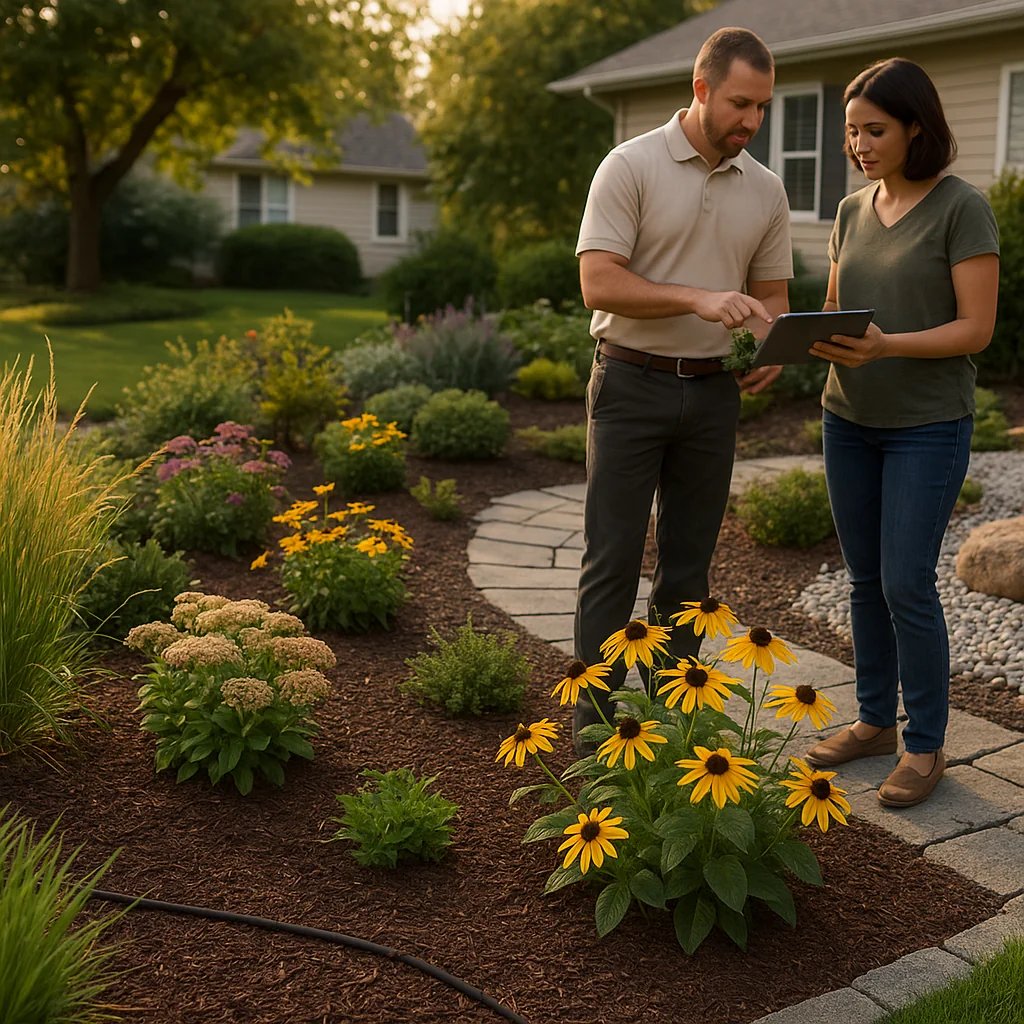
Low-Maintenance Landscaping Ideas for Busy Clarks Summit Property Owners
For busy Clarks Summit property owners the best low-maintenance landscaping ideas focus on durable plants simple layouts and smart mulch choices that reduce weekly yard work while still keeping your property neat and attractive. A well planned landscape can handle local weather changes with less watering less pruning and fewer problem areas making it easier to maintain a healthy lawn and clean curb appeal year round.
Why Low-Maintenance Landscaping Works So Well in Clarks Summit
Clarks Summit properties deal with a mix of cool season grasses seasonal rain summer heat and winter snow all of which can make outdoor upkeep feel like a moving target. That is why the best approach is to design a landscape that works with the climate rather than against it. When beds are sized correctly plants are grouped by water needs and lawn areas are kept functional instead of oversized maintenance becomes far more manageable.
Busy homeowners and property managers often want the yard to look polished without having to spend every weekend trimming edging and replanting. A practical landscape design can support that goal by reducing the number of high effort elements. That means fewer delicate annuals more hardy perennials less turf in hard to mow spots and better use of natural features that already belong in the space.
Start With a Simpler Landscape Layout
One of the easiest ways to create a lower upkeep yard is to simplify the overall layout. Curved beds and detailed borders can look beautiful but they often require more edging weeding and seasonal cleanup. For many homes in Clarks Summit a cleaner and more direct layout works better especially when paired with efficient lawn service and a regular maintenance routine.
Use larger planting beds and fewer small islands
Small isolated garden islands can be difficult to mow around and tend to collect weeds. Larger beds are easier to mulch maintain and visually balance. They also give shrubs and perennials room to mature which reduces the need for frequent replacement.
Keep lawn areas practical
The lawn should support the way you use the property. If a section is rarely walked on it may be better suited for a bed groundcover or decorative mulch instead of turf that needs watering mowing and fertilizing. This is especially helpful on sloped corners or narrow side yards where routine mowing can be awkward.
Choose Plants That Thrive With Less Attention
Plant selection has a major impact on how much time you will spend maintaining the landscape. In a region like Northeastern Pennsylvania it is smart to choose hardy plants that tolerate local temperature swings and seasonal moisture levels. The goal is not to remove beauty from the yard but to choose plants that stay attractive without constant intervention.
Look for native and climate adapted plants
Native plants and regionally adapted ornamentals tend to establish well and need less help once rooted. They often cope better with weather shifts and local soil conditions. That means fewer dead plants and less replanting after harsh seasons.
- Perennials that return each year with limited care
- Shrubs that hold shape naturally without heavy pruning
- Ornamental grasses that provide texture with little maintenance
- Groundcovers that suppress weeds and reduce bare soil
Use shrubs with natural structure
Instead of plants that require repeated shaping choose shrubs that look attractive in their natural form. These shrubs can create structure in the yard without becoming a weekly trimming project. They also provide year round interest which is helpful in places like Clarks Summit where winter landscapes can otherwise feel bare.
Replace High-Maintenance Lawn Sections With Groundcovers or Mulch
Not every part of a property needs turf. In fact some spaces are easier to manage when they are converted into mulch beds or groundcover areas. This is one of the simplest ways to cut back on mowing and trimming while improving the appearance of the property.
Shaded areas under trees steep banks and tight corners often struggle to maintain healthy grass. Rather than repeatedly reseeding or fighting patchy turf consider a more reliable option. Groundcovers can fill space naturally while mulch keeps beds neat and reduces weed growth.
| Area | Low-Maintenance Option | Benefit |
|---|---|---|
| Shaded side yard | Groundcover | Less mowing and better soil coverage |
| Tree ring | Mulch bed | Protects roots and reduces competition |
| Steep slope | Low shrubs | Easier upkeep than turf |
| Narrow strip | Decorative stone or mulch | Eliminates hard to reach mowing |
Mulch Is One of the Easiest Maintenance Reducers
Fresh mulch does more than improve curb appeal. It helps retain moisture suppress weeds and keep bed lines looking clean. For busy property owners mulch is one of the highest value landscape upgrades because it reduces routine labor while creating a finished look.
Choose the right mulch type and depth
Organic mulch works well in many landscapes because it breaks down slowly and adds a natural appearance. The key is to avoid piling it too deeply. A proper layer helps control weeds without suffocating plant roots or creating drainage issues. Replenishing mulch on a sensible schedule can keep beds looking maintained without major effort.
Mulch also helps define the landscape visually which is especially useful when combined with regular mowing and edging from a dependable lawn service. A crisp mulch edge can make the entire property look cleaner even when plantings are intentionally simple.
Design for Easier Mowing and Edging
Low-maintenance landscaping should make the lawn easier to care for not harder. That means thinking about mower access before adding new plantings or borders. Landscape features that create awkward corners or narrow barriers can add time to every mow. A smarter design keeps maintenance paths open and direct.
- Use straight lines where possible for easier trimming
- Avoid beds that create tiny grass triangles
- Leave enough space around trees and shrubs for equipment access
- Keep hardscape edges visible and manageable
In neighborhoods near Clarks Green and North Abington Township property owners often benefit from simple designs that pair well with consistent mowing. Clean borders and open layouts make routine upkeep faster and more predictable.
Use Hardscaping to Reduce Planting Space
Patios walkways border stones and retaining walls can all reduce the amount of area that needs constant plant care. Hardscaping does not eliminate landscape maintenance but it can reduce the total amount of living material that needs watering pruning and seasonal replacement.
For example a small patio or stone seating area can replace a turf section that would otherwise need regular mowing. Likewise a walkway can create a practical path through the property and protect grass from foot traffic that would otherwise create worn patches.
Hardscaping also works well around entry areas where a neat and structured look is especially important. When paired with simple plantings and mulch it creates a balanced landscape that feels intentional without being high effort.
Plan for Seasonal Changes Instead of Fighting Them
Low-maintenance landscapes are not just about summer convenience. They should also be easier to manage through fall leaf drop winter snow and spring cleanup. That is why seasonal planning matters as much as plant choice. A good design anticipates the work that comes with each season and reduces the effort required to recover from it.
Fall cleanup made easier
Plants that hold their shape without collapsing into a mess are easier to clean around. Avoiding fragile overgrown beds means fewer tangled stems and less debris after the first hard frost. This can be especially useful in nearby communities such as Dalton and Chinchilla where seasonal transitions can be pronounced.
Winter readiness matters too
Landscape beds should be placed with snow storage and plowing patterns in mind. Keeping certain areas open can help prevent damage from winter maintenance. Shrubs and decorative features that are set back from drive paths and walkways are less likely to be affected by snow piles or salt exposure.
Keep Irrigation Simple and Efficient
Many busy property owners overwater or spend too much time managing hoses and sprinklers. A low-maintenance landscape should use water wisely. That might mean choosing drought tolerant plants grouping together beds with similar watering needs and using soaker hoses or efficient irrigation only where needed.
If your property has areas that stay moist and others that dry out quickly it is easier to match each area with the right type of plant. This prevents overwatering and reduces plant stress. It also supports a healthier lawn because the turf is not competing with oversized beds that need constant hand watering.
Keep the Lawn Healthy With Fewer Complications
The lawn remains one of the most visible parts of a property so low maintenance does not mean low quality. It means choosing a lawn care strategy that keeps grass strong enough to resist weeds and thinning without demanding constant extra work. Regular mowing proper edging and seasonal feeding can make a big difference.
When the turf is healthy the entire landscape becomes easier to manage. Dense grass helps crowd out weeds and creates a neat backdrop for shrubs and mulch. For many Clarks Summit homeowners the best results come from combining a manageable lawn footprint with consistent care and simple plantings that do not need frequent replacement.
Low-Maintenance Ideas That Add Visual Appeal
It is absolutely possible to keep the yard attractive while lowering the workload. Some of the best features are the ones that look polished without requiring constant attention.
- Evergreen shrubs for year round structure
- Mass plantings of hardy perennials for a fuller look
- Decorative stone accents for clean contrast
- Simple mulch rings around trees and foundation beds
- Low profile borders that keep edges neat
For properties in nearby Dickson City and surrounding communities these practical upgrades can make a property stand out without creating more weekend chores.
How to Decide Which Upgrades Make the Most Sense
Every property is different so the best low-maintenance landscaping plan depends on your layout sun exposure soil conditions and how much time you actually want to spend outside. Start by identifying the areas that create the most work. That might be a shaded patch that never grows well a bed that is too small to mulch efficiently or a slope that is difficult to mow safely.
Once you know the problem areas it becomes easier to prioritize changes. Focus first on improvements that reduce recurring labor. That could mean replacing struggling turf with mulch redefining bed edges or swapping out demanding plants for tougher alternatives. Small changes often create the biggest reduction in maintenance.
Conclusion
Low-maintenance landscaping is a smart solution for busy Clarks Summit property owners who want a neat attractive yard without constant upkeep. By simplifying the layout choosing hardy plants using mulch strategically and planning for the seasons you can create an outdoor space that looks great and is easier to care for all year long. A landscape built around practical choices will save time reduce stress and support healthier turf and plantings over the long term.
Leave a Reply