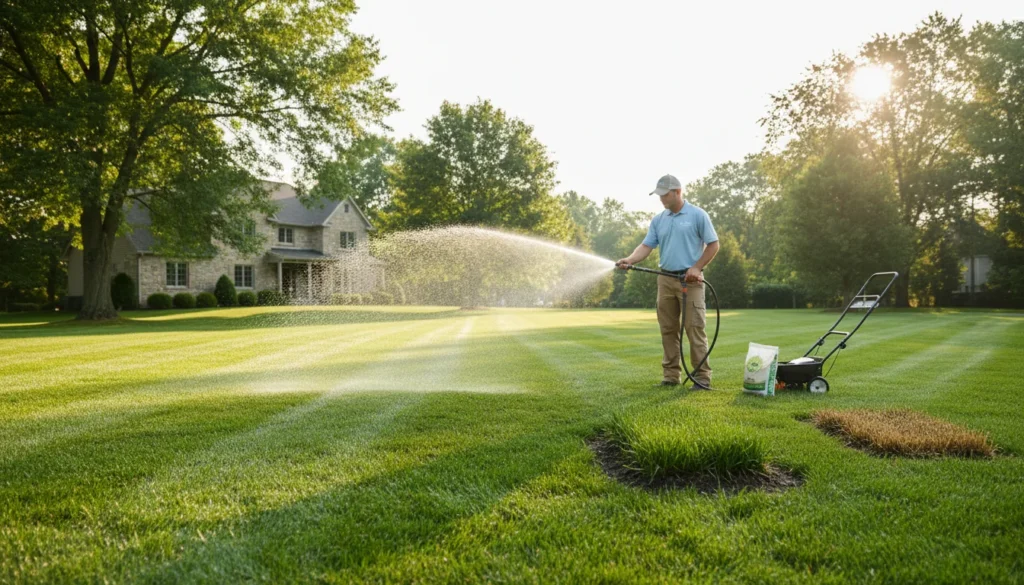
How to Prepare Your Lawn for Summer Heat in Pennsylvania
If you want your lawn to stay green and healthy through a Pennsylvania summer the key is preparation before the hottest days arrive. In Clarks Summit lawns face a mix of warm humid afternoons occasional dry spells and heat stress that can quickly weaken turf if it is not cared for correctly. A healthy summer lawn starts with smart mowing proper watering soil support and a maintenance routine that helps grass build resilience before peak heat settles in.
Why Summer Heat Hits Pennsylvania Lawns Hard
Pennsylvania lawns often grow cool season grasses such as Kentucky bluegrass tall fescue and perennial ryegrass. These grasses can look great in spring but they are more vulnerable when temperatures rise and rainfall becomes inconsistent. Heat stress shows up as dull color slowed growth and thinning patches. In areas like Clarks Summit where weather can shift quickly a lawn that was thriving one week may begin to struggle the next if it does not have enough moisture or root strength.
Other local factors add pressure. Clay based soil can hold water too long after storms then dry out and harden during heat. Shaded areas may retain dampness while full sun sections dry much faster. In neighborhoods near Ransom Township and North Abington Township many homeowners see the same pattern where slopes edges and roadside grass need extra attention during summer.
Start With a Health Check Before the Heat Sets In
Before summer arrives take time to inspect the lawn for weak spots compacted soil and signs of disease. Look for areas that stay wet too long areas that never seem to green up and sections where foot traffic has worn the grass down. Early identification makes it easier to correct problems before the turf is under stress.
What to look for
- Thin turf or bare patches
- Brown spots that do not improve after watering
- Soil that feels hard or crusted
- Matted grass near trees fences or walkways
- Uneven growth caused by poor sunlight or drainage
If your lawn has recurring issues a seasonal service plan such as biweekly lawn mowing maintenance can help keep turf at the right height and reduce stress during the hottest part of the year.
Mow High and Keep Your Blades Sharp
One of the simplest ways to prepare your lawn for summer heat is to raise the mowing height. Taller grass shades the soil which reduces evaporation and helps roots stay cooler. It also encourages deeper root growth which improves drought tolerance. For most Pennsylvania lawns a mowing height around three to four inches is a strong target during summer.
Sharp blades matter just as much as mowing height. Dull blades tear grass instead of cutting it cleanly. Torn leaf tips turn brown faster and make the lawn look stressed even when it has enough water. If the grass is growing quickly in spring and early summer it may need mowing more often to avoid removing too much at once.
Summer mowing best practices
- Never remove more than one third of the grass blade at a time
- Mow in the cooler part of the day when possible
- Leave clippings on the lawn if they are short and dry
- Adjust mowing height higher as temperatures rise
In communities like Dalton and Waverly homeowners often benefit from a consistent mowing schedule because fast growing spring turf can quickly become stressed if it is cut too short right before a hot spell.
Water Deeply and Less Often
Proper watering is essential when you prepare your lawn for summer heat. The goal is to encourage deep roots not shallow surface growth. Light daily watering can train grass roots to stay near the surface where heat dries them out quickly. Instead aim for infrequent deep watering that soaks the root zone.
Most lawns do best with about one inch of water per week including rainfall though exact needs depend on soil type shade and temperature. Water early in the morning so the grass dries during the day and fungal problems are less likely. If you water in the evening moisture can sit on the blades overnight and create disease pressure.
Signs your lawn needs water
- Grass blades fold or curl
- Footprints remain visible after walking across the lawn
- The lawn takes on a bluish gray color
- Soil is dry two to three inches below the surface
For lawns with uneven irrigation it helps to check sprinkler coverage in sunny front yards and along street facing sections where heat exposure is highest. Slopes and compacted areas may need special attention because water can run off before it soaks in.
Feed the Lawn at the Right Time
Fertilizing can help a lawn stay strong but timing matters. Heavy feeding right before a heat wave can push tender growth that struggles in summer stress. In Pennsylvania the best approach is usually to support the lawn with balanced nutrients in late spring or early fall rather than overloading it during peak heat.
If your lawn needs fertilizer in early summer use a light and appropriate application based on soil conditions and grass type. A soil test is the best way to know what nutrients are missing. Healthy soil produces stronger grass that can better handle dry weather and wear from family use.
| Task | Best Timing | Why It Helps |
|---|---|---|
| Soil test | Spring or early summer | Identifies nutrient needs and pH issues |
| Light fertilizer | Late spring or early summer if needed | Supports growth without overstimulating |
| Major feeding | Early fall | Builds root strength for the following season |
Improve Soil Health and Reduce Compaction
Healthy soil is the foundation of a summer ready lawn. If soil is compacted roots cannot grow deeply and water cannot move efficiently through the ground. That leaves grass more vulnerable to heat and drought. In older neighborhoods and high traffic lawns compaction is common around driveways entryways and play areas.
Core aeration can greatly improve airflow water penetration and root development. It is especially useful for lawns with heavy clay soil or frequent use. Aerating before summer heat arrives helps roots access moisture more effectively. Pairing aeration with overseeding in the right season can also thicken thin areas and improve resilience over time.
Adding organic matter and keeping soil covered with healthy turf are also important. Bare soil heats up faster and loses moisture quickly. Thick grass acts like a natural shield that protects the root zone.
Watch for Weeds and Pests That Thrive in Heat
Weeds often gain an advantage when turf is stressed. Thin dry grass creates open space for crabgrass spurge and other summer weeds to spread. The best defense is a dense healthy lawn that leaves less room for weeds to establish.
Insects and lawn diseases can also worsen during hot weather especially if the lawn is already weakened by poor watering or mowing habits. Brown patches do not always mean drought. Sometimes fungus insect damage or grubs may be involved. If damage spreads quickly or does not improve with routine care it may need professional diagnosis.
Preventive steps
- Keep mowing height consistent
- Avoid overwatering
- Rake out thatch only when needed
- Remove debris that blocks air movement
- Inspect edges and shaded areas regularly
Give Extra Care to High Stress Areas
Every lawn has trouble spots that need more attention during summer. These are often areas along sidewalks near curbs beside foundations and under trees. Soil in these spots may be compacted shaded or exposed to reflected heat from pavement. Water can also be inconsistent in those locations.
To protect high stress areas use a slightly higher mowing height avoid heavy foot traffic and water deeply enough to reach the root zone. In some cases it may help to add drought tolerant grass seed in the cooler seasons so those sections recover better next year.
Homeowners in parts of Clarks Summit and nearby areas should also pay attention to roadside strips and open front lawns because they receive stronger sun and more heat from pavement than backyards do. A tailored approach works better than treating the entire lawn the same way.
Create a Summer Lawn Care Routine That Works
The best way to prepare your lawn for summer heat in Pennsylvania is to stay consistent. A simple routine keeps the turf from falling behind when the weather turns hot. Healthy grass is not the result of one big treatment. It is built by steady care over time.
Weekly summer checklist
- Check soil moisture before watering
- Mow at the proper height
- Look for signs of stress or disease
- Keep clippings light and even
- Watch for dry patches or runoff areas
When lawn care stays on schedule grass is better able to tolerate temperature swings and periods of dry weather. That is especially true in Northeast Pennsylvania where a lawn may need to bounce back from spring growth then endure sudden summer heat.
Local Insight for Clarks Summit Homeowners
Clarks Summit lawns often face a mix of sun exposure shade patterns and varied soil conditions within the same property. That means one treatment usually does not fit every section of the yard. South facing lawns may dry out first while shaded edges may stay damp and invite disease. Yards near mature trees may need extra watering because roots compete for moisture.
That local variation is why many homeowners choose ongoing lawn service instead of waiting until the grass is already stressed. A maintenance plan helps identify problems early adjust mowing and watering habits and keep the lawn looking more even through the season.
Prepare Now for a Better Lawn Later
Preparing your lawn for summer heat is mostly about building strength before stress begins. Higher mowing deep watering good soil management and regular monitoring all help grass survive the hottest weeks with less damage. In Pennsylvania those habits can make the difference between a lawn that struggles through July and one that stays healthier all season long.
By focusing on prevention and consistency Clarks Summit homeowners can give their lawns a better chance to stay thick green and resilient when summer weather arrives.
Leave a Reply