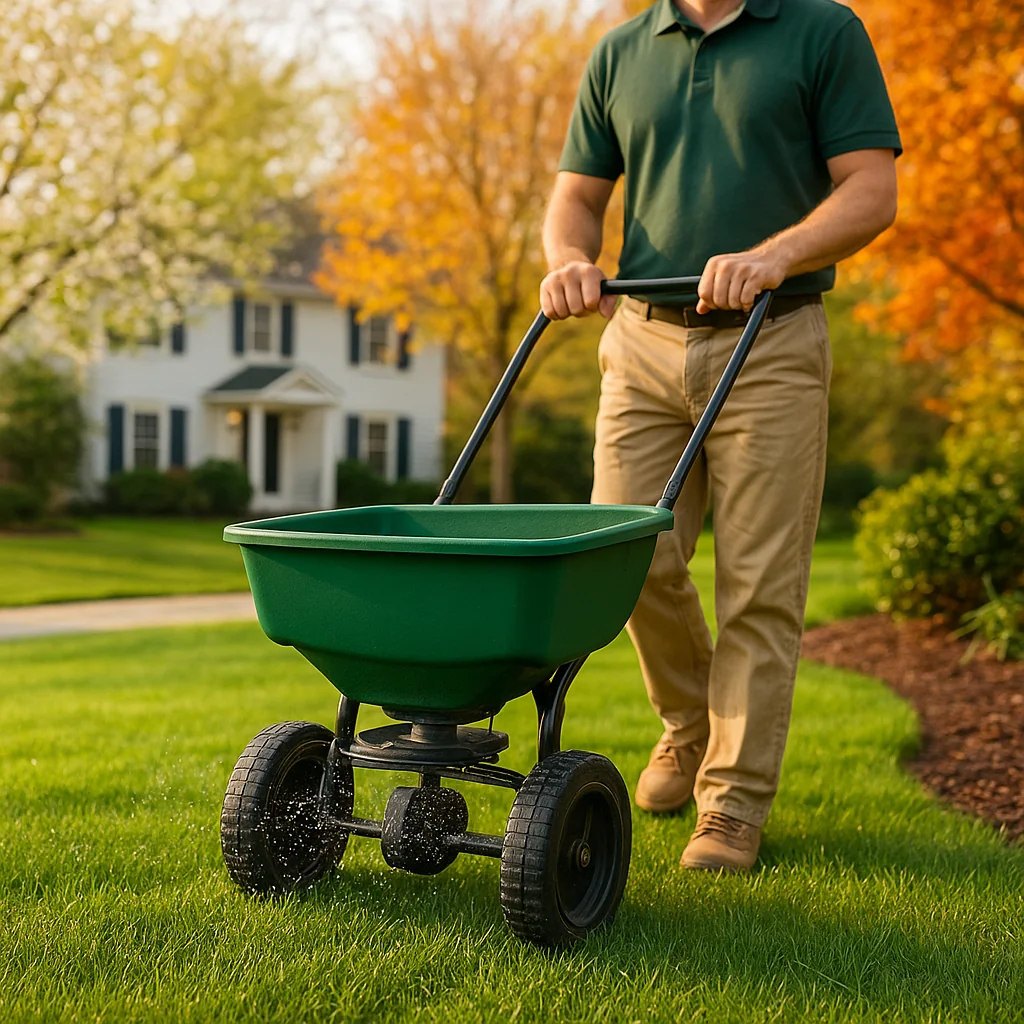
The Best Time to Fertilize Your Lawn in Pennsylvania
If you are wondering when to fertilize your lawn in Pennsylvania the best answer is usually early fall with a second application in late spring and sometimes a lighter summer feeding depending on your grass type and lawn condition. In Clarks Summit and nearby areas the climate makes timing especially important because cool season grasses respond best when fertilized during active growth in spring and fall.
Why Fertilization Timing Matters in Pennsylvania
Pennsylvania lawns deal with cold winters wet springs and hot humid summers so fertilizer timing has a major impact on root growth color density and weed resistance. Applying fertilizer at the wrong time can lead to weak growth wasted product or even stress from heat and drought. The goal is to feed the grass when it can actually use the nutrients most efficiently.
For homeowners in Clarks Summit and surrounding communities such as Clarks Green North Abington Township and Waverly the soil and weather patterns are similar enough that the same seasonal approach usually works well. The key is matching fertilizer applications to grass growth not just the calendar.
Best Fertilizer Schedule for Pennsylvania Lawns
Most Pennsylvania lawns are cool season lawns made up of Kentucky bluegrass perennial ryegrass tall fescue or a mix of these grasses. These grasses grow most actively in spring and fall. That means those seasons are the best times to fertilize heavily while summer applications should be used more carefully.
1. Early Spring Application
Early spring fertilization should be light and focused on recovery after winter. The soil is warming and grass is beginning to green up but you do not want to push excessive top growth too soon. A balanced slow release fertilizer can help the lawn wake up while supporting roots.
The best time for this application is usually when soil temperatures begin rising consistently and the lawn starts active growth. In Pennsylvania this often falls between late March and early May depending on elevation and weather patterns.
2. Late Spring Application
A second feeding in late spring can strengthen the lawn before summer stress arrives. This application helps build density and supports root health. It is especially helpful for lawns that receive frequent mowing and foot traffic. If your yard is maintained through a Weekly Lawn Mowing Service regular fertilization can help the grass recover more quickly from mowing and stay greener between cuts.
3. Early Fall Application
Early fall is widely considered the best time to fertilize your lawn in Pennsylvania. Cooler temperatures and more consistent rainfall create ideal growing conditions. Grass naturally directs energy into root development during this season which makes fertilizer more effective than during summer. A strong fall feeding can improve color thickness and winter survival.
4. Late Fall Application
Many lawn care professionals recommend a final late fall feeding after grass growth slows but before the ground freezes. This is often called a winterizer application. It does not force excessive blade growth but it helps the lawn store energy for spring green up. For many homeowners this is one of the most valuable applications of the year.
What Type of Fertilizer Works Best
The right fertilizer depends on your soil test grass type and lawn goals. In general Pennsylvania lawns do well with slow release nitrogen products because they provide steady feeding without a sudden growth surge. A fertilizer with some potassium can also help improve stress tolerance and winter hardiness.
It is usually best to avoid over applying fertilizer especially in summer. Too much nitrogen during heat can damage turf and increase disease risk. A soil test is the best way to determine whether your lawn also needs phosphorus or other nutrients. If your grass is thin or patchy proper fertilization paired with consistent mowing through a Biweekly Lawn Mowing Maintenance plan can help improve overall lawn health over time.
Season by Season Fertilizing Guide for Pennsylvania
| Season | Best Approach | Why It Matters |
|---|---|---|
| Early Spring | Light slow release feeding | Supports green up without overstimulating growth |
| Late Spring | Moderate application | Builds strength before summer heat |
| Summer | Use sparingly or skip if stressed | Reduces burn and drought stress |
| Early Fall | Full application | Promotes root growth and recovery |
| Late Fall | Winterizer feeding | Improves spring performance and winter storage |
How Weather in Clarks Summit Affects Fertilizer Timing
In Clarks Summit the weather can shift quickly in spring and fall so timing should always account for actual conditions rather than dates alone. Fertilizer works best when rain is mild and consistent and when the lawn is actively growing. Applying fertilizer before a heavy storm can lead to runoff while applying during drought can create stress unless the lawn is watered properly.
Local terrain and shade also matter. Lawns in shaded areas dry more slowly and may need lighter fertilizer rates. Sunny slopes may need stronger attention because they dry out faster. By watching soil moisture temperature and grass color you can choose the best moment for each feeding.
Signs Your Lawn Needs Fertilizer
- Pale or dull green color that does not improve with mowing
- Thin turf with slow recovery after cutting
- Weak growth in spring or early fall
- More weeds filling in bare areas
- Stunted roots or a lawn that browns too quickly in summer
These signs do not always mean the lawn needs more fertilizer immediately. Sometimes compaction poor mowing habits or low soil pH are the real issue. A lawn care expert can help determine whether fertilization is the right next step.
Common Fertilizer Mistakes to Avoid
One of the biggest mistakes is fertilizing during the hottest part of summer. Warm weather can make grass more vulnerable to burn and disease. Another common mistake is applying too much nitrogen too often which can lead to fast weak growth and more mowing. Skipping fall fertilization is also a missed opportunity because fall is when cool season grass can make the most progress.
Homeowners should also avoid fertilizing right before heavy rain or on frozen ground. Both can cause nutrients to wash away before the turf has a chance to absorb them. Following local weather patterns and using the correct spreader settings can make a big difference.
How Mowing and Fertilizing Work Together
Fertilization is only one part of a healthy lawn care routine. Proper mowing height regular cutting and sharp blades all affect how well the grass responds to fertilizer. If grass is cut too short it loses energy and becomes more vulnerable to drought and weeds. Keeping the lawn at the proper height lets roots stay stronger and nutrients work more effectively.
Consistent mowing through a service plan can support fertilization by reducing stress and keeping growth even. That is especially helpful in neighborhoods with mixed sun and shade conditions where turf can grow at different speeds. Good mowing plus proper fertilizer timing creates a healthier lawn than either practice alone.
Local Lawn Care Insight for Northeastern Pennsylvania
In Northeastern Pennsylvania cool season turf usually has two major growth windows: spring and fall. That means these are the best times to invest in lawn feeding. Summers are often better for maintenance and stress reduction than aggressive feeding. Lawns in this region tend to benefit from a patient seasonal strategy rather than a one size fits all schedule.
For many Clarks Summit properties a well timed fall program delivers the biggest results because it helps grass recover from summer wear and prepare for winter. Then a lighter spring application helps the lawn wake up without forcing excessive leaf growth. This balanced approach is usually the most effective for long term turf health.
When to Call a Professional
If your lawn has uneven color persistent bare spots or repeated weed pressure a professional can help you build a custom fertilization plan. Soil testing weather monitoring and lawn evaluation all help determine the best products and timing. A knowledgeable lawn care provider can also coordinate fertilization with mowing aeration and seasonal maintenance for better results.
For homeowners who want dependable lawn service in Clarks Summit and nearby communities Lawncare & Snowplowing LLC understands the growing conditions that affect Pennsylvania turf and can tailor lawn care around local needs and seasonal changes.
Conclusion
The best time to fertilize your lawn in Pennsylvania is usually early fall with additional attention in late spring and a light spring or late fall application depending on your lawn’s condition. Because Clarks Summit has a climate that favors cool season grasses the right timing can make a dramatic difference in color thickness root strength and overall resilience. When you fertilize based on grass growth and local weather rather than guesswork your lawn has a much better chance to stay healthy all year.
Leave a Reply