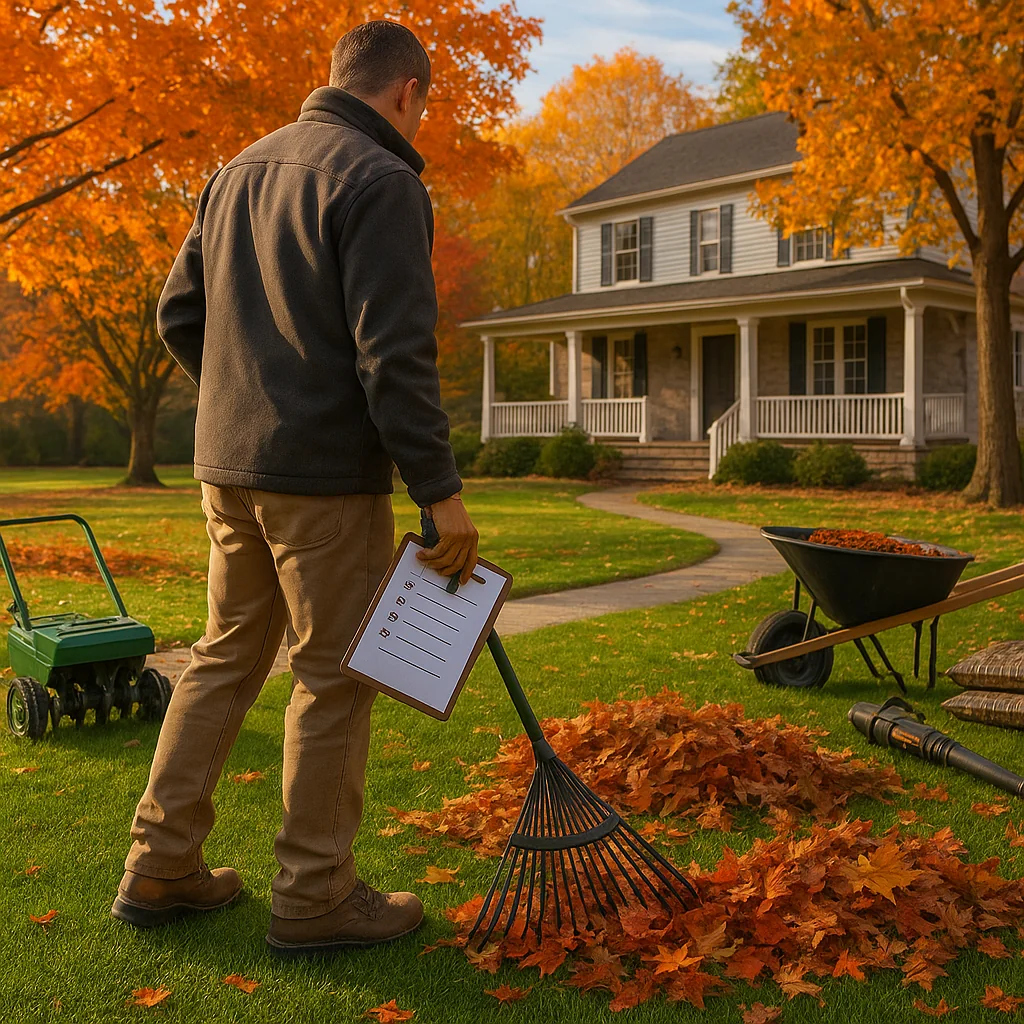
Fall Lawn Maintenance Checklist for Pennsylvania Properties
Fall is the best season to prepare your lawn for winter in Clarks Summit because cooler temperatures and reliable moisture help grass recover from summer stress and build strong roots before freezing weather arrives. A smart fall lawn maintenance checklist for Pennsylvania properties should focus on cleanup feeding mowing aeration overseeding and edge care so your yard enters dormancy healthy and ready for spring.
Why fall lawn care matters in Northeast Pennsylvania
In Clarks Summit and nearby communities lawns face a challenging mix of warm humid summers compacted soil and a short but important fall growing window. If you manage your lawn well in autumn you give turf a better chance to store energy strengthen root systems and resist winter injury. That means fewer bare patches less disease pressure and a greener start once the snow melts.
For homeowners in nearby areas such as Waverly and Clarks Green the fall season can also bring leaf fall from mature trees and fluctuating temperatures that make timing especially important. The goal is not just to tidy the yard. It is to support the lawn before dormancy begins.
1. Clear leaves and debris regularly
One of the most important tasks on any fall lawn maintenance checklist for Pennsylvania properties is regular leaf removal. A thick blanket of leaves blocks sunlight traps moisture and can encourage mold and fungus. If leaves sit too long they can smother grass and leave dead patches behind.
- Rake or blow leaves at least once a week during peak drop
- Remove sticks and acorns that can interfere with mowing
- Keep drains and low spots clear so water does not pool
Light leaf cover can sometimes be mulched into the turf with a mower if the pieces are small and evenly distributed. However heavy leaf layers should always be removed. Properties with larger tree coverage in places like North Abington Township often benefit from more frequent cleanup because leaf volume can build quickly after windy autumn storms.
2. Keep mowing until growth slows
Many homeowners stop mowing too early in the season but grass usually keeps growing until consistent cold weather arrives. The final mowing height matters because turf that is too tall can mat down under snow while turf that is cut too short can become stressed and vulnerable.
Best practice: keep mowing as needed and gradually lower the cutting height only within safe limits for your grass type. In general cool season lawns common in Pennsylvania do well when maintained at a moderate height through fall. Never remove more than one third of the blade at a time.
- Continue mowing until growth stops
- Keep blades sharp for clean cuts
- Bag clippings only when growth is heavy or disease is present
For a polished finish and healthier turf edges many property owners pair routine mowing with professional lawn edging and trimming. Clean edges help define the landscape and keep grass from spreading into walks beds and hardscaped areas.
3. Aerate compacted soil
Soil compaction is common in established Pennsylvania lawns especially where foot traffic pets and mowing equipment repeatedly press into the ground. Aeration creates small holes that allow air water and nutrients to reach the root zone more effectively. Fall is an ideal time for this task because grass can recover quickly in cooler weather.
Core aeration is usually the preferred method for most lawns. It removes plugs of soil and opens pathways for root growth. This is particularly helpful on clay-heavy or compacted properties in and around Clarks Summit where water infiltration can be inconsistent after summer heat.
- Aerate when the soil is moist but not saturated
- Focus on high traffic areas and slopes that compact easily
- Follow aeration with overseeding for best results
4. Overseed thin or bare areas
Fall offers excellent conditions for overseeding because soil temperatures remain warm enough for germination while cooler air reduces stress on young grass. Overseeding helps thicken the lawn improve color and crowd out weeds that may try to return next spring.
Before seeding identify the thinnest parts of the lawn and lightly rough up the soil so seed can make contact. After spreading seed keep the area evenly moist until germination begins. This step works especially well after aeration because the openings give seed a better chance to settle into the soil.
- Use a seed blend suited to Northeast Pennsylvania conditions
- Apply seed to bare spots after core aeration
- Water lightly and consistently until new growth is established
When overseeding is combined with good mowing and proper cleanup the lawn enters winter in far better condition than if it were left untouched.
5. Fertilize for root development
Fall fertilization is one of the most effective ways to improve next year’s lawn quality. Unlike spring feeding which often drives fast top growth fall fertilizer supports root development and energy storage. That deeper root growth helps turf survive cold weather and bounce back faster in spring.
The right fertilizer should match your lawn needs and timing. Too much nitrogen too late in the season can create weak growth before freezing temperatures set in. A balanced approach is usually best for Pennsylvania lawns.
| Fall task | Why it matters | Best timing |
|---|---|---|
| Cleanup | Prevents smothering and disease | Weekly through leaf drop |
| Mowing | Keeps turf at a healthy height | Until growth slows |
| Aeration | Relieves compaction | Early to mid fall |
| Overseeding | Fills thin spots | Right after aeration |
| Fertilizing | Builds strong roots | Mid to late fall |
6. Water wisely before the ground freezes
Even in fall lawns still need moisture especially after overseeding or fertilizing. Many homeowners reduce irrigation too quickly and assume cooler weather means the lawn no longer needs water. In reality dry soil in fall can weaken grass roots before winter sets in.
Water deeply enough to support root growth but avoid overwatering which can encourage disease. As temperatures drop and rainfall increases natural moisture often fills the gap. Keep an eye on weather conditions in Clarks Summit because early frosts and dry windy spells can arrive before the season fully changes.
- Water new seed regularly until established
- Aim for deep soaking rather than daily shallow watering
- Shut down irrigation before hard freezes if applicable
7. Manage weeds before winter
Fall is a strategic time to suppress weeds because many perennial weeds store energy in the roots during this season. If you target them now you can reduce their ability to return strongly in spring. At the same time avoid aggressive treatment on newly seeded areas until the new grass has matured enough to tolerate it.
Broadleaf weeds such as dandelion and clover can be addressed while turf is still actively growing. Healthy dense lawns also naturally reduce weed pressure by crowding out openings where weeds would otherwise establish.
8. Inspect the lawn for drainage and bare spots
As rain becomes more frequent fall is the perfect time to observe how water moves across your property. Puddling soggy patches and erosion can all become bigger problems once frost and snow arrive. Walk the yard after a rain and note any trouble spots that may need soil repair or grading help later.
Look for:
- Low areas that hold standing water
- Thin turf on slopes or near downspouts
- Damaged edges along walks driveways and beds
These observations can guide next season’s maintenance plan and help you prioritize improvements before winter limits what can be done outdoors.
9. Clean and protect landscape borders
Edges and borders often get overlooked during fall cleanup even though they frame the whole property. Well maintained borders reduce mess keep mulch in place and make the lawn look finished even as the landscape enters dormancy. Trimming around sidewalks driveway edges and planting beds also helps snow removal go more smoothly later in the season.
For homeowners in neighborhoods like Chinchilla crisp borders can make a big difference in curb appeal especially after leaf drop has ended and the lawn begins to fade for winter. Pairing border cleanup with seasonal mowing gives the property a neat consistent appearance.
10. Prepare for winter dormancy
Once temperatures drop consistently the final part of your fall lawn maintenance checklist for Pennsylvania properties is simple preparation. Remove remaining debris store tools and make sure irrigation systems are shut down if needed. The idea is to avoid leaving anything in the yard that could cause stress or damage under snow.
- Do one last cleanup before the first hard freeze
- Store hoses and yard equipment safely
- Keep heavy objects off turf to avoid winter compaction
A lawn that enters winter clean nourished and properly cut is far more likely to emerge healthy in spring. That is why fall is often considered the most valuable season for lawn recovery in our region.
Local fall lawn care tips for Clarks Summit property owners
Clarks Summit properties often deal with tree cover uneven terrain and changing moisture conditions so timing matters as much as the task itself. Plan leaf removal before piles get thick. Aerate and overseed while the soil is still workable. Continue mowing until the lawn truly slows down. And watch for shaded areas where grass may stay damp longer and become more susceptible to disease.
These local conditions are common across Northeastern Pennsylvania which is why a seasonal approach works better than a one time cleanup. A consistent routine keeps the lawn more resilient and more attractive through the transition into winter.
Fall lawn maintenance checklist summary
- Remove leaves and debris regularly
- Mow until growth slows but avoid cutting too short
- Aerate compacted soil
- Overseed thin spots after aeration
- Apply fall fertilizer for root growth
- Water appropriately until the ground freezes
- Control weeds while turf is still active
- Check drainage and repair bare areas
- Maintain borders and edges
- Prepare tools and irrigation for winter
Following this checklist gives Pennsylvania lawns the best chance to stay strong through winter and return healthy in spring. For property owners in Clarks Summit and nearby communities the real advantage comes from consistency. Small steps taken in fall can have a major impact on the look and health of the lawn the following year.
Leave a Reply